Day 48: Introduction to the MERN Stack
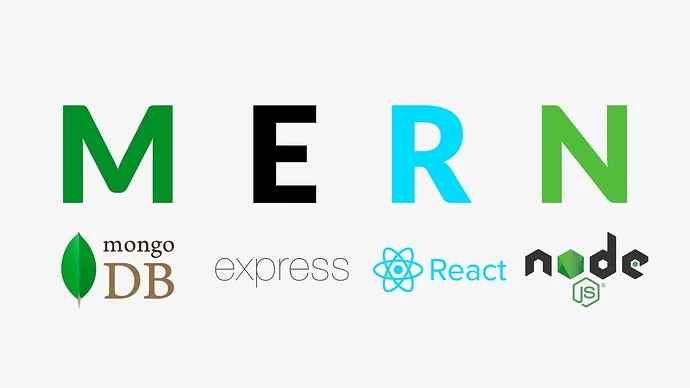
The MERN Stack (MongoDB, Express.js, React.js, Node.js) is one of the most powerful tech stacks for building modern full-stack web applications. It offers a seamless JavaScript-based development experience, making it a top choice for developers and businesses alike. But what makes MERN stand out? Let’s break it down.
 Why is the MERN Stack So Popular?
 JavaScript Everywhere: Developers can work with a single language across the frontend, backend, and database, reducing complexity and improving productivity.
Fast & Scalable: MongoDB’s NoSQL structure enables rapid data retrieval, Node.js handles thousands of requests efficiently, and React optimizes rendering performance.
Full Flexibility: MERN allows developers to create everything from small apps to enterprise-level solutions, from static sites to dynamic applications.
Huge Community Support: With an extensive ecosystem of libraries, tools, and frameworks, developers can find solutions, templates, and best practices easily.
 How the MERN Stack Works
A MERN application follows a structured workflow where all components work together to handle frontend interactions, backend processing, and database management. Here’s how the data flows:
 React Frontend – Users interact with the UI. React handles user input and makes API calls.
 Express.js & Node.js Backend – Express processes requests, applies business logic, and interacts with the database.
 MongoDB Database – Data is stored and retrieved in a flexible, JSON-like format.
 API Response Cycle – Data is sent back to React, which dynamically updates the UI.
 Real-World Applications of MERN
Many successful startups and enterprises use the MERN stack due to its efficiency. Some common use cases include:
 E-commerce Platforms: MERN enables seamless shopping experiences with dynamic product catalogs, real-time inventory updates, and secure payment integrations.
Social Media Applications: Features like user authentication, live updates, and messaging can be efficiently managed using MERN.
SaaS Products: Subscription-based platforms rely on MERN for interactive dashboards and cloud-based functionalities.
Project Management & Collaboration Tools: MERN’s flexibility makes it perfect for building real-time apps like Trello and Notion clones.
 Future of the MERN Stack
With JavaScript evolving and frameworks like Next.js and Remix gaining traction, MERN continues to adapt. The integration of serverless functions, GraphQL, and AI-driven automation will further enhance its capabilities.
 Ready to start your MERN journey? Stay tuned for Part 2: Setting Up a MERN Project from Scratch!
100daysofcode lebanon-mug